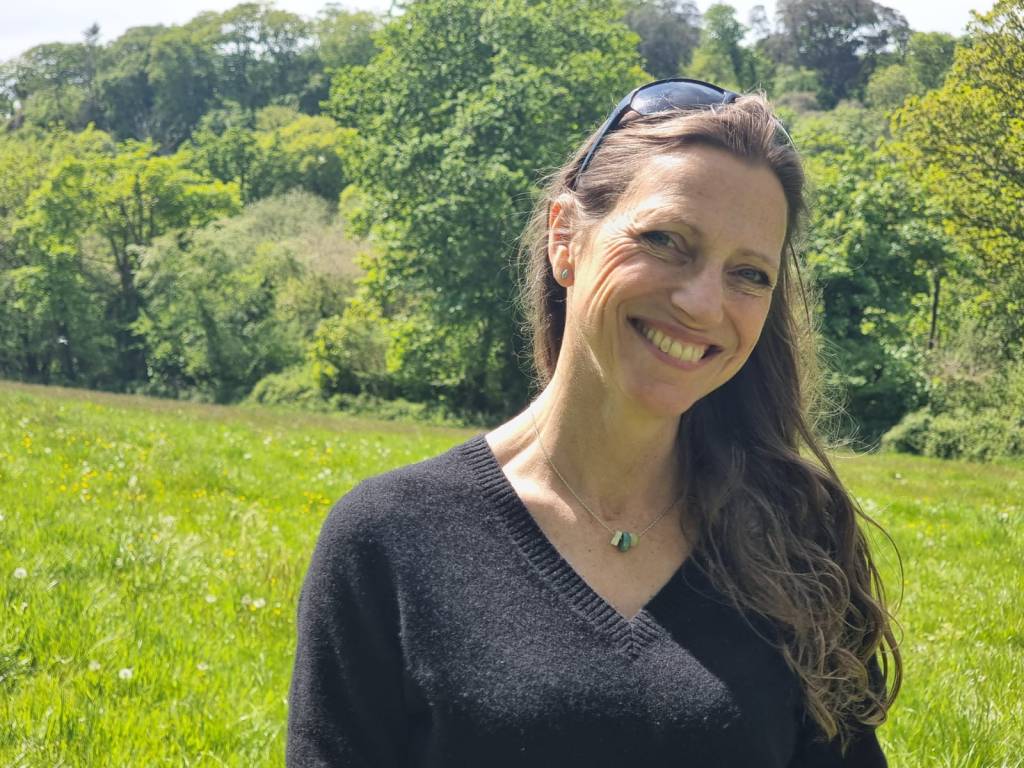
This is a little creative space I’ve carved out to explore ideas that interest me — and, I hope, you too. The key concept is how to create regenerative and reciprocal relationships with nature. These are ideas I’m exploring more formally through my PhD focused on positive tipping points for regenerative agriculture. I’m based at the University of Exeter’s Global Systems Institute and am part of the tipping points team. Wylder Earth is a space to share, be creative, have fun and play – to get muddy and plant new ideas.
We’re standing at a critical threshold in human history. If you have your eyes and ears open right now, you know things aren’t great. We are on course to trigger multiple environmental tipping points unless action accelerates. Our current trajectory is not sustainable in the true sense of the word – it can’t carry on. Things need to change — and they will, one way or another.
A RECIPROCAL AND REGENERATIVE FUTURE
I’m interested in what that future might look like. What it needs to look like. We rely on the natural world — for the air we breathe, the water we drink, the soil that nourishes our food. Yet for too long, we’ve taken without giving back, steadily undermining the very systems we depend on. It’s time to reimagine a world where we live in harmony with nature, understanding that we are part of one, interconnected system — entwined in a beautiful dance together. This is a space to explore what a reciprocal and regenerative future might look like.
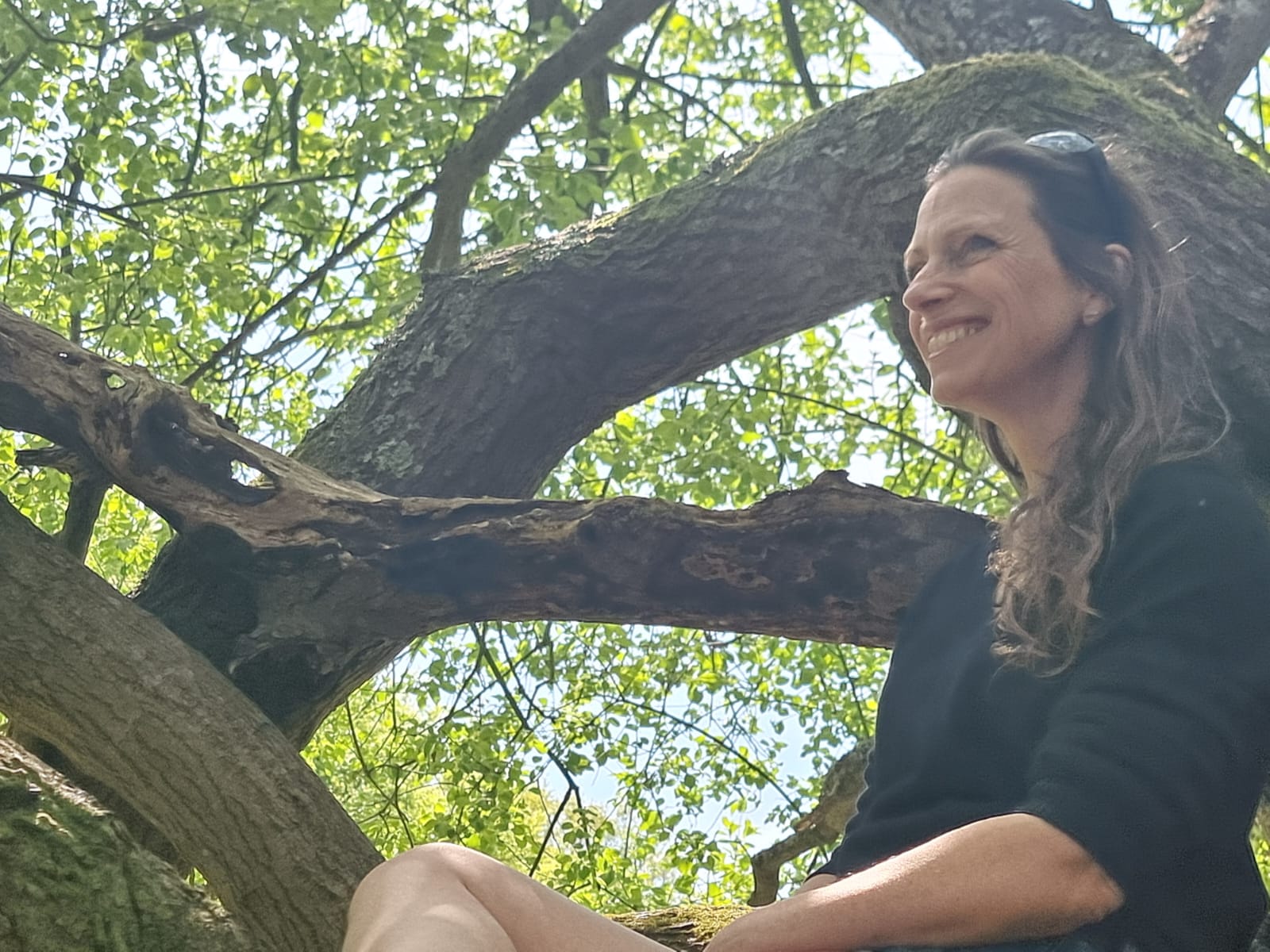
I’m particularly curious about regenerative ways of producing food — approaches that are mutually beneficial for both people and the planet. Regenerative agriculture, permaculture, forest gardening, silvopasture, agroecology — these practices are already taking root. I’m experimenting with them in my own garden, creating an edible landscape, and I’m eager to learn how we scale these ideas up to create a new agrifood system.

I’m also drawn to the broader concepts that underpin these practices: systems thinking, planetary boundaries, circular economy, doughnut economics, socio-ecological systems. Working at the University of Exeter’s Global Systems Institute, I’m lucky to be surrounded by these ideas every day.
HOW DO WE GET THERE?
It’s not enough to imagine a better future — we need to understand how to get there. I’m fascinated by behavioural economics, behaviour change science, and positive tipping points. How do we move from one system to another? How do social transitions happen? What motivates human behaviour?

I used to work with children with autism and behavioural challenges, and have two children of my own. I’m curious about how lessons from individual behaviour change might help us catalyse collective transformation.
THE ART OF SCIENCE
Finally, as a former writer and radio producer, I’m passionate about using creativity to communicate science. How do we turn theoretical concepts and dry data into powerful, relatable stories? How can we make people feel science, not just understand it?
I hope you’ll enjoy exploring these ideas with me.
I’d love to hear your thoughts — please get in touch.
Let’s help grow a regenerative future together.
 Wylder Earth